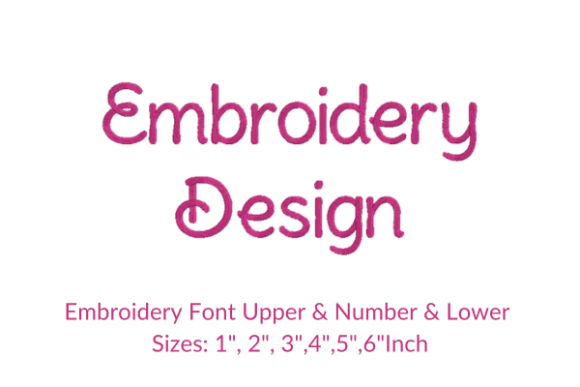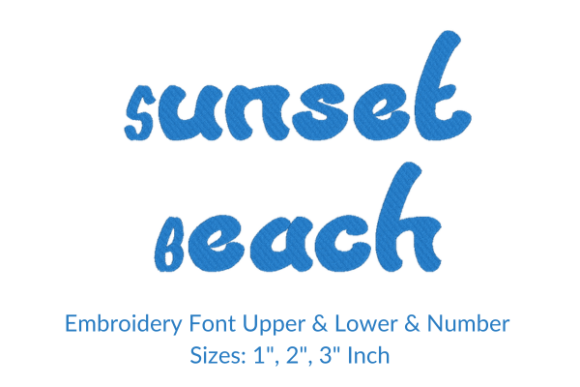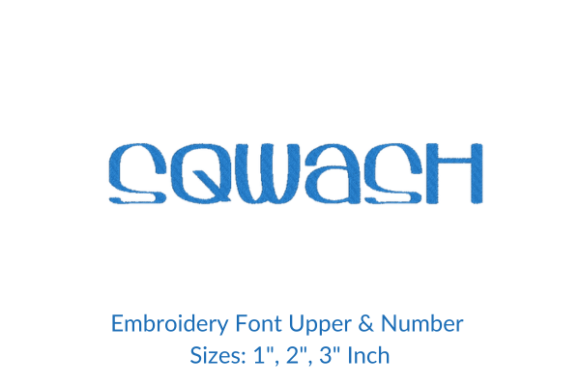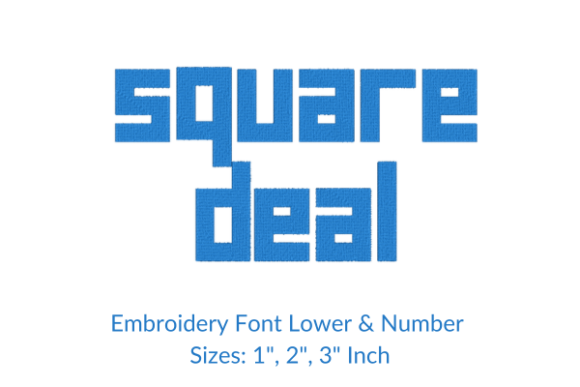
Bride Font Embroidery Design
A Practical Review for Small Business Merch & Branded Patches
As an embroidery designer who’s digitized over 2,000 commercial projects—from café aprons to boutique tote bags—I approached the Bride Font Embroidery Design with a very specific question: *Does this font deliver professional, scalable, brand-consistent results for small business merch—not just wedding decor?* The answer is yes—but with important caveats rooted in real-world production.
First Impression: Elegant, Clean, and Purposefully Versatile
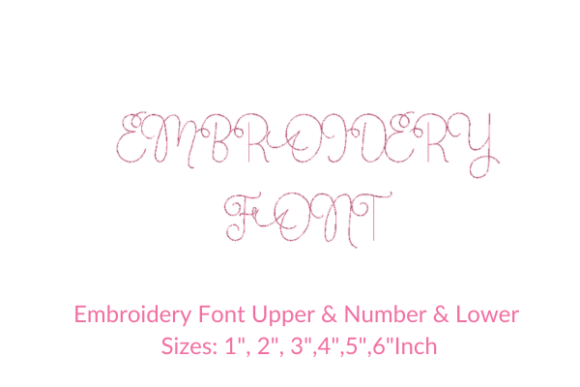
Despite its name, the Bride Font Embroidery Design doesn’t scream “bridal” in a clichéd way. It reads as elegant yet approachable, with balanced letterforms, gentle curves, and generous spacing—ideal for conveying care and craftsmanship without feeling stiff or overly formal. It leans modern-classic: think artisan bakery signage, florist sleeve patches, or handmade pet brand tags—not lace-and-champagne motifs. That versatility makes it unexpectedly strong for School-aligned uses too: think embroidered staff IDs for creative studios, embroidered name tags for Montessori classrooms, or custom caps for after-school program teams.
Where It Shines in Real Business Applications
The Bride Font Embroidery Design excels where clarity, warmth, and quiet professionalism matter most:
- Embroidered patches: Works beautifully as a 2–3 inch chest patch on denim jackets or canvas totes—clean lines hold up well at mid-size, and the open letter spacing prevents fill distortion.
- Apron embroidery: Perfect for boutique cafés or craft studios wanting subtle, legible branding above the pocket—no crowding, no visual fatigue.
- Cap embroidery: At 2.5 inches wide, it maintains readability on structured front panels—especially when paired with a simple monogram or icon beside it.
- Tote bag design: Stitches crisply on medium-weight canvas; avoids the “blobby” look some script fonts develop at larger scales.
- Custom apparel: Looks intentional on work shirts, lab coats, and event merch—adding polish without shouting.
- Product packaging accents: Ideal for stitched labels on handmade soap wraps, ceramic gift boxes, or linen tea towels.
It also supports smart personalization—names, dates, short quotes—without compromising legibility. That’s essential for Etsy sellers offering monogrammed merchandise or local florists adding client names to delivery totes.
Where Caution Is Required
This isn’t a one-size-fits-all embroidery file. As a working designer, I advise careful evaluation before committing to production:
- Small patch sizes (under 1.5 inches): Letter spacing may compress visually—always test stitch a full word like “LOCAL” at target size.
- Curved surfaces (e.g., baseball cap fronts or rounded tote handles): The font’s clean structure helps, but avoid tight arcs—opt for straight-line placement whenever possible.
- Tiny lettering (under 0.3 inches tall): Not recommended. Serifs and fine strokes risk disappearing or bleeding into fabric texture.
- High stitch density areas: If layered over dense fill motifs, verify thread color contrast—light threads on dark uniforms need extra underlay.
- Textured fabric (terry cloth, bouclé, heavy linen): Use cutaway stabilizer and reduce top tension slightly—this font relies on clean edges, which fabric pile can obscure.
Impact on Brand Identity & Customer Trust
For small businesses, typography is silent brand language. The Bride Font Embroidery Design communicates intentionality—not mass-produced, not generic. When customers see it on a barista’s apron or a florist’s tote, they register care, consistency, and human-scale quality. That builds trust faster than any tagline. It also strengthens brand identity across touchpoints: same font on staff uniforms, product tags, and event merch creates visual harmony that feels curated—not cobbled together.
Importantly, it avoids looking “crafty” in a dated way. Unlike overly decorative scripts, it pairs effortlessly with minimalist logos, hand-drawn icons, or even bold sans-serifs—giving your small business merch flexibility to evolve.
Essential Designer Notes Before Production
Before you load the Bride Font Embroidery Design into your machine or send it to your digitizing partner, follow these field-tested steps:
- Test it in black and white first—verify legibility without color distraction.
- Check how it renders at your smallest intended patch size—don’t assume scaling works linearly.
- Review thread color contrast on your actual fabric swatch—especially for dark uniforms or textured linens.
- Inspect letter spacing and kerning—some fonts tighten unpredictably between certain characters (e.g., “To”, “Va”).
- Confirm hoop size compatibility—if you’re using smaller hoops for caps or sleeves, ensure the design fits without re-hooping.
- Test on real fabric with your preferred stabilizer—fabric texture changes everything.
- Create a printable mockup for client approval—avoid surprises post-stitch.
- Compare it beside your other design assets—does it harmonize with your logo, icons, and existing embroidery files?
- Verify commercial licensing—this is critical if you’re selling finished goods or offering embroidery services to clients. The description says it’s for personalization, but confirm usage rights before scaling production.
Remember: a high-quality machine embroidery design only delivers value when matched with thoughtful execution. The Bride Font Embroidery Design gives you elegant raw material—but your stabilizer choice, thread selection, and fabric prep determine whether the finished product reflects your brand’s standard.
Final Thought: A Strategic Asset, Not Just a Font
Treat the Bride Font Embroidery Design as a foundational digital embroidery file—one that quietly elevates your entire commercial embroidery workflow. It’s especially valuable for businesses building cohesive, tactile brand experiences: the café that stiches its name on every apron, the florist who embroiders “GROWN WITH LOVE” on delivery totes, or the handmade studio that adds founder initials to limited-run scarves. In those contexts, it’s not decoration—it’s signature. And in today’s market, signature matters more than ever.