Floral Nurse Embroidery Design Review
First Impression: Warm, Professional, and Thoughtfully Balanced
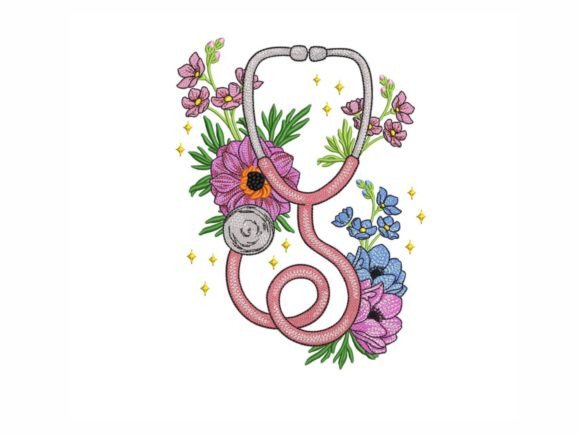
As an embroidery designer who’s developed hundreds of commercial machine embroidery designs for small businesses, my first read on Floral Nurse is immediate and reassuring: it lands as both approachable and polished. The title alone evokes care, detail, and gentle authority—no clinical sterility, no cartoonish whimsy. “Floral” signals softness, nature, and handmade charm; “Nurse” grounds it in trust, service, and quiet professionalism. This isn’t just decorative—it’s identity-forward. For a boutique florist adding embroidered aprons, a wellness studio branding tote bags, or a local café outfitting staff with custom apparel, Floral Nurse reads as intentional—not generic clip art, but a considered design asset.
Real-World Business Use: Where It Shines (and Where to Pause)
Floral Nurse performs exceptionally well across high-visibility small business merch categories. As an embroidered patch, it holds clarity at 2.5"–3.5" height—ideal for chest placement on uniforms, sleeve accents on work shirts, or front-center cap embroidery. Its balanced composition (floral motif framing or supporting the central nurse figure) gives visual breathing room, preventing overcrowding on curved surfaces like baseball caps or rounded tote bag corners.
On aprons and staff uniforms—especially cotton twill or medium-weight poly-cotton blends—Floral Nurse communicates warmth without sacrificing polish. That matters: customers subconsciously equate clean, well-executed embroidery with reliability. A bakery using it on linen aprons? Feels artisanal. A pet wellness brand stitching it onto denim vests? Reads as compassionate and grounded. Even on product packaging accents—say, a stitched label on a handmade soap box or herbal tea tin—it adds tactile credibility that print alone can’t replicate.
That said, caution is needed in three key areas. First, small patch sizes under 2": intricate floral outlines and fine nurse silhouette details may blur or lose definition. Always test at your target size before bulk production. Second, dark or heavily textured fabrics—like black corduroy or thick canvas—can mute thread contrast. Prioritize high-contrast thread colors (e.g., ivory on navy, kelly green on charcoal) and confirm stitch density supports legibility without puckering. Third, frequent-wash items like nursing scrubs or reusable totes demand robust digitizing. While the description confirms it’s a machine embroidery design built for apparel and home decor, verify stabilizer pairing (cutaway for stretch knits, tear-away for stable wovens) and test wash durability on a sample.
Brand Identity Impact: More Than Just a Logo
Floral Nurse doesn’t just mark an item—it reinforces values. In a crowded marketplace where handmade products compete on authenticity and emotional resonance, this design quietly says: caring, attentive, rooted in craft. It strengthens brand identity by offering visual consistency across touchpoints: same motif on staff caps, customer gift totes, and printable mockups shared on Instagram. That cohesion builds recognition faster than mismatched graphics ever could.
For Etsy sellers and craft-based businesses, Floral Nurse elevates perceived value. A plain cotton tote becomes a collectible when adorned with thoughtful, balanced embroidery. Customers engage longer, remember better, and associate your brand with intention—not just utility. And because it avoids cliché (no red crosses, no stethoscopes), it sidesteps dated tropes and feels fresh whether used by a holistic clinic, a flower shop, or a creative studio hosting wellness workshops.
Practical Designer Notes for Commercial Use
Before cutting fabric or sending files to your embroidery machine, run these checks:
- Test in black and white first. Confirm readability without color—this reveals spacing issues, thin strokes, or lost negative space.
- Verify patch-size viability. Resize to your smallest intended use (e.g., 1.75" for lapel patches) and check if stems, petals, or facial features remain distinct.
- Review thread color contrast. Floral elements often rely on subtle tonal shifts—ensure those translate clearly on your base fabric.
- Inspect spacing and underlay. Tight curves or overlapping floral forms need proper underlay to prevent gapping or distortion on stretchy or uneven weaves.
- Confirm hoop size compatibility. If your smallest hoop is 4"x4", ensure the design fits comfortably within that boundary—including jump stitches and trim commands.
- Test on real fabric + stabilizer. Digitizing looks flawless on screen—but only physical testing reveals how it behaves on your actual garment or tote material.
- Create a client-approved mockup. Use a digital embroidery file viewer or vector-based printable mockup to show stakeholders exactly how Floral Nurse will land on their cap, apron, or packaging.
- Compare beside existing design assets. Does it harmonize with your current logo, typography, or color palette—or does it clash tonally?
- Confirm commercial licensing. Though described for “apparel, gift items, and wall art,” always validate usage rights for resale, especially if bundling into kits or digital product listings.
Final Thought: A Versatile Asset for Purpose-Driven Brands
Floral Nurse isn’t just another embroidery file—it’s a strategic tool. It bridges the handmade and the professional, the nurturing and the precise. For small business owners investing in custom apparel, embroidered patches, or branded merchandise, it delivers instant visual cohesion without demanding heavy design overhead. Whether you’re a craft studio launching limited-run aprons, an indie florist building community through tote bag giveaways, or a wellness brand curating thoughtful customer gifts, Floral Nurse works because it respects both the craft of embroidery and the intelligence of your audience. Use it intentionally, test it thoroughly, and let it do what great design should: speak clearly, stand out kindly, and stay memorable long after the first stitch.