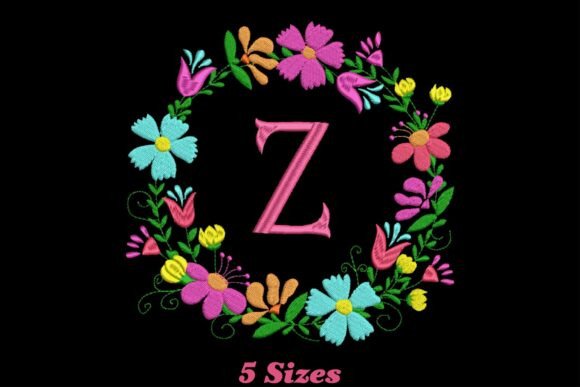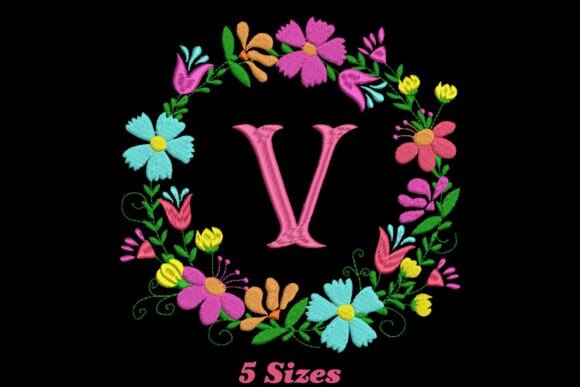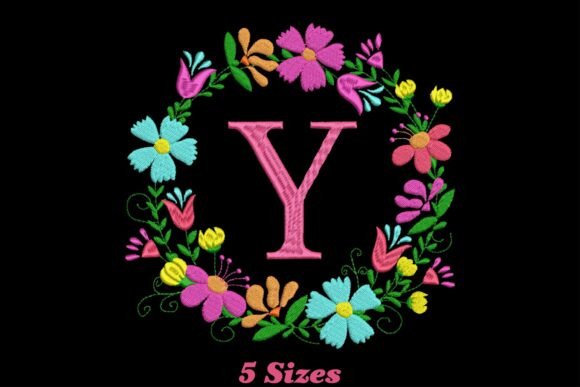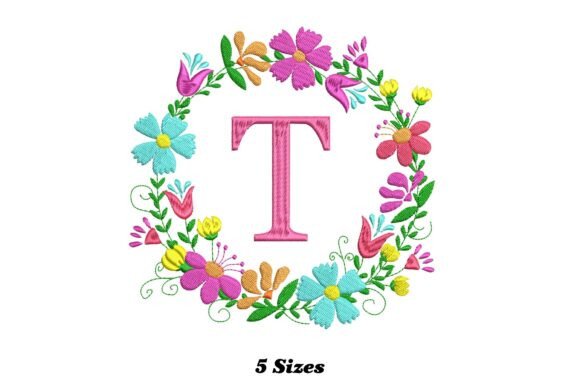
Flower Alphabet Letter X
First Impressions: Whimsy with Purpose
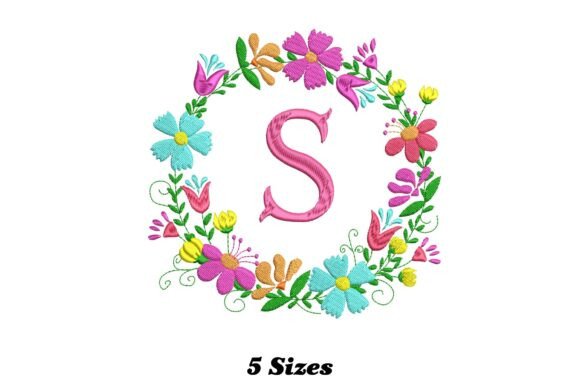
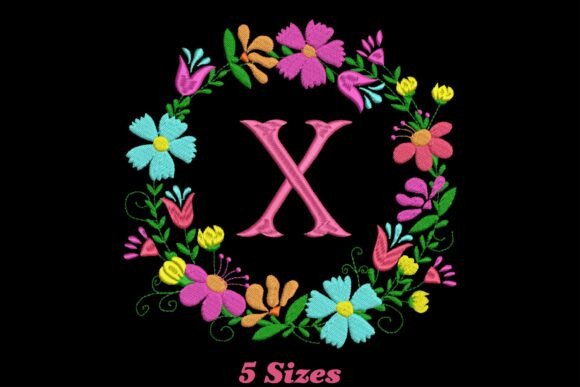
When I opened Flower Alphabet Letter X for the first time, I didn’t just see a letter—I saw a mood. It’s playful but not childish, botanical but not fussy, and structured enough to hold its own on fabric without collapsing into visual noise. The floral elements wrap around the “X” like vines curling over a garden gate—not overwhelming the shape, but enhancing it. That balance is rare in alphabet designs meant for real-world use. As a designer who regularly selects embroidery files for client projects and my own craft business, I immediately pictured it stitched onto a linen tea towel for a boutique kitchen line or centered on a soft cotton baby onesie as part of a monogrammed nursery set.
A Real Project Test: The Personalized Tote Bag
Last week, I prepped a custom embroidered tote bag for a local teacher—part of a back-to-school gift bundle for her classroom. She requested a subtle, nature-inspired monogram, and Flower Alphabet Letter X was the perfect fit for her name’s initial. I chose medium-weight canvas, a tear-away stabilizer, and 40-weight rayon thread in sage green and cream. The result? Crisp satin stitch outlines, gentle fill-stitch petals that held texture without puffing, and an “X” that read clearly at 3.5 inches tall—even from across the room. Customers notice that clarity. When handmade products feel intentional—not just “embroidered,” but *designed*—they command higher perceived value. This file delivered that.
Where It Shines (and Where It Needs Thought)
Flower Alphabet Letter X thrives in contexts where charm and legibility coexist:
- Custom apparel: Works beautifully on sweatshirt cuffs, t-shirt pockets, and apron bibs—especially when paired with coordinating floral motifs or minimal text.
- Baby embroidery: Soft curves and open negative space keep it gentle on delicate fabrics like interlock knit; no dense stitch clusters to irritate sensitive skin.
- Holiday and wedding gifts: Its organic flow suits rustic invitations, linen pillow covers for bridal showers, or embroidered handkerchiefs—never too literal, always thoughtful.
- Etsy listings and small shop products: As a digital embroidery file, it’s versatile enough to appear in multiple collections—School-themed bundles, spring botanical sets, or personalized monogram packs—without feeling repetitive.
But let’s be practical: this isn’t a one-size-fits-all design. On highly textured fabrics like bouclé or thick terry cloth, some finer vine details may soften or blur. On stretchy knits, extra stabilizer support is non-negotiable—or the “X” can distort under tension. And while it reads well on light backgrounds, avoid using it full-size on dark fabric without testing thread contrast first; pale pastel threads can disappear if stitch density runs low in certain zones.
Design Integrity Meets Commercial Sense
As someone who sells both finished handmade products and digital embroidery files, I pay close attention to how a design affects buyer trust and brand consistency. Flower Alphabet Letter X supports professionalism—not through flashiness, but through restraint. It doesn’t rely on excessive detail to impress; instead, it uses smart spacing, balanced weight distribution, and intentional negative space. That translates directly to fewer customer questions (“Is this supposed to look like that?”), fewer re-stitches, and more repeat buyers who recognize your aesthetic.
For Etsy sellers and craft fair vendors, this matters deeply. A single well-chosen letter like Flower Alphabet Letter X can anchor an entire product line—think matching embroidered towels, napkins, and aprons for a school-themed kitchen collection. It also works cleanly in printable mockups, helping shoppers visualize the final product before purchase. No pixelated edges, no awkward scaling artifacts—just clean, confident lines that hold up across formats.
Practical Designer Notes Before You Stitch
Before committing to a client project or production run, here’s what I always do with a new machine embroidery design like Flower Alphabet Letter X:
- Test on scrap fabric that matches your final substrate—especially important for caps or curved surfaces where hooping changes tension.
- Check thread color contrast in both natural and artificial light; what looks rich on screen may mute on fabric.
- Review stitch density in petal tips and narrow vine sections—overly dense fills can cause puckering on lightweight cotton.
- Confirm hoop size compatibility; if you’re stitching on a toddler’s onesie or a narrow belt loop, scale accordingly—and verify the design still retains character at smaller sizes.
- Inspect small details like stem junctions and petal separation—these define whether the file feels handmade or mass-produced.
- Test black-and-white mockups to assess silhouette strength; strong shape recognition = better shelf impact.
- Compare performance on light vs. dark fabric—some floral accents vanish without slight tweaks to underlay or thread choice.
- Use proper stabilizer: medium cutaway for knits, tear-away for stable wovens, and fusible + tear-away for layered items like patch-backed aprons.
- Verify licensing before selling finished items or bundling Flower Alphabet Letter X into commercial design assets—it’s essential for any craft business operating beyond personal use.
Final Thought: Not Just a Letter—A Design Decision
Flower Alphabet Letter X isn’t merely decorative. It’s a quiet signal—of care, of cohesion, of knowing exactly who your customer is and what they respond to. Whether you're embroidering a graduation cap for a high school senior, stitching a custom patch for a summer camp tote, or building a cohesive School-themed digital embroidery collection, this file earns its place in your working library. It doesn’t shout. It invites. And in a market flooded with generic fonts and overworked motifs, that kind of thoughtful presence is worth every stitch.