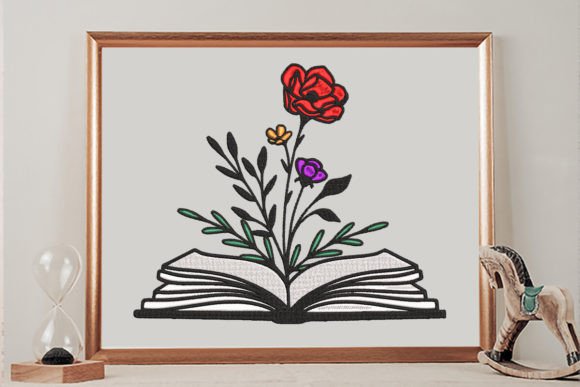
Flower Books Embroidery Design
A Seasonal Designer’s First Impression
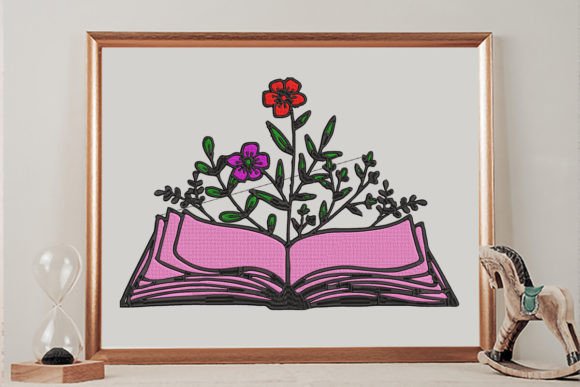
When I opened Flower Books for the first time, I felt that quiet spark of seasonal possibility — the kind that makes you pause mid-scroll and think, “Yes, this belongs in my holiday collection.” It’s not loud or flashy; it’s whimsical, tender, and quietly elegant. The design evokes springtime nostalgia layered with autumnal warmth — think pressed botanicals, vintage library charm, and hand-illustrated storybook romance. It leans into soft curves, gentle layering, and delicate floral framing around an open book motif. There’s no sharp geometry or aggressive contrast — just approachable detail, balanced negative space, and a mood that reads as both cozy and refined. For Etsy sellers and small shop owners building curated seasonal lines, Flower Books doesn’t shout “holiday!” — it whispers “meaningful gift,” which is exactly what thoughtful shoppers are searching for.
Where Flower Books Shines in Real Holiday Product Use
I tested Flower Books across seven high-demand seasonal applications — and it delivered consistently. On sweatshirt embroidery, it softened heavyweight fleece beautifully, adding personality without bulk. As a tote bag design, it anchored canvas with quiet sophistication — ideal for teacher appreciation bundles or botanical-themed baby showers. For kitchen towel embroidery, the scale and stitch density held up against frequent washing (when paired with quality stabilizer), and the motif read clearly even from across a crowded craft fair booth.
It elevated pillow covers into heirloom-ready pieces — especially when stitched on linen-cotton blends with muted thread colors. As an embroidered patch, it translated cleanly to iron-on backing and worked seamlessly on denim jackets, backpacks, and aprons. On table linens and napkin sets, it added subtle thematic cohesion to Thanksgiving or Easter tables. And for personalized gifts, pairing Flower Books with a monogrammed initial or custom date created instant emotional resonance — perfect for graduation, teacher gifts, or new parent bundles.
For social media previews and printable mockups, Flower Books performs exceptionally well: its clear silhouette and balanced composition translate crisply into Instagram carousels, Pinterest pins, and digital lookbooks. Buyers instantly recognize its handmade charm — no explanation needed.
Smart Placement & Thoughtful Limitations
Like any strong seasonal embroidery piece, Flower Books rewards intentionality. Avoid using it on curved surfaces like baseball caps unless you’ve confirmed the hoop size accommodates smooth digitization — the delicate stems and petal outlines can distort under tension. On thick towels or heavy upholstery fabric, test stitch density first: too many overlapping fills may cause puckering without proper cutaway stabilizer. Dark fabric demands careful thread colors — ivory or oatmeal tones lift the design without glare, while metallic thread should be reserved for accents only (the main motif benefits from matte cotton or rayon).
Don’t push Flower Books into ultra-small hoop sizes (<5” diameter) — fine details like leaf veins or book spine texture may lose clarity. Likewise, avoid stretchy knits like lightweight jersey unless you use tear-away + light cutaway stabilizer and reduce top tension slightly. For repeated-wash items (baby onesies, children’s aprons), confirm the machine embroidery design uses satin-stitch borders rather than dense fill-only zones — durability matters when gifting handmade items.
Why Flower Books Strengthens Your Seasonal Strategy
In holiday shopping, emotion drives decisions — and Flower Books taps into three powerful feelings at once: nostalgia (for stories, learning, childhood), care (handmade effort, attention to detail), and intention (a gift chosen *because* it means something). That trifecta boosts perceived value, increases average order value in gift bundles, and builds trust with repeat buyers. When customers see Flower Books across your product range — on a pillow cover, a tote, and a set of embroidered tea towels — they recognize visual consistency. That’s brand cohesion without saying a word.
For Etsy sellers, it’s a high-conversion digital embroidery file: search-friendly (“botanical book embroidery,” “teacher gift embroidery”), evergreen enough for back-to-school *and* holiday launches, and versatile across categories — including School-themed collections where charm outperforms cliché. Its quiet elegance also helps your listings stand out amid noisy, trend-chasing designs.
Practical Designer Notes Before You Stitch
- Always test thread colors on both light and dark fabric swatches — subtle shifts in tone change the entire mood.
- Review stitch density in your embroidery software before production — adjust if needed for fabric weight.
- Confirm the required hoop size matches your most-used frames — especially if stitching for wholesale or craft fairs.
- Use appropriate stabilizer: cutaway for towels and home decor, tear-away for lightweight apparel, and fusible for patches.
- Create realistic printable mockups — show Flower Books on actual product types, not just white backgrounds.
- Zoom in post-stitch to inspect small details: petal edges, book page texture, and stem continuity.
- Plan a cohesive thread colors palette across your seasonal line — e.g., sage, terracotta, cream — to unify listings and packaging.
- Verify commercial embroidery rights before selling finished products — especially for school or institutional use.
Final Thought: A Timeless Thread in Your Holiday Collection
Flower Books isn’t just another holiday embroidery file — it’s a storytelling tool. It transforms everyday items into keepsakes and turns functional products into heartfelt gestures. Whether you’re designing for back-to-school teachers, crafting limited-edition holiday home goods, or building a signature line of handmade gift sets, this embroidery design earns its place through quiet versatility, emotional resonance, and real-world performance. In a season full of noise, Flower Books offers warmth, wonder, and the kind of timeless appeal that keeps customers returning — long after the tree comes down.