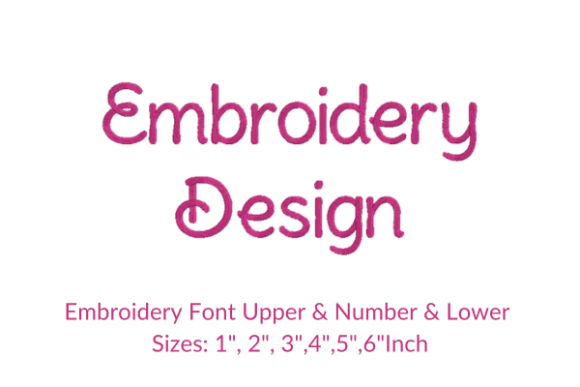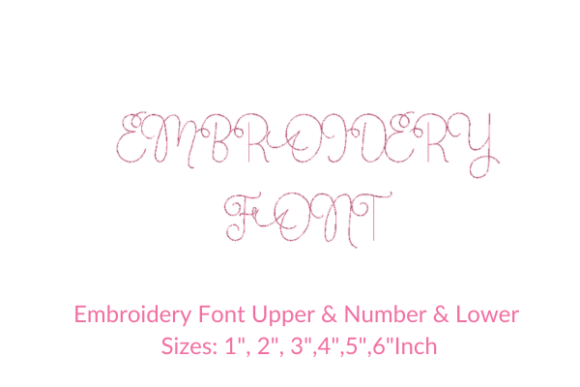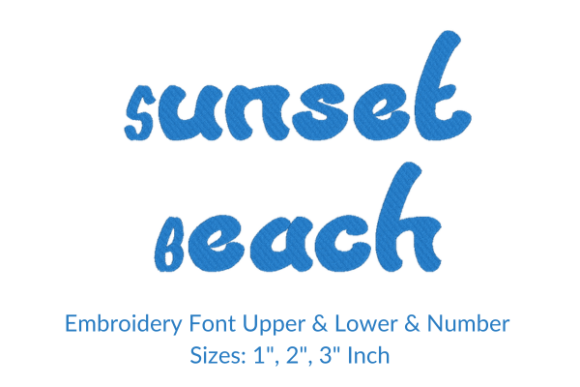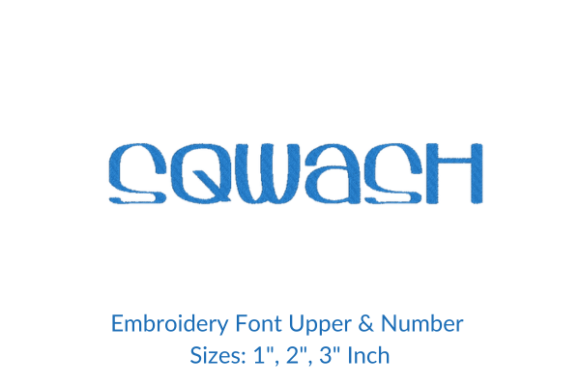
Edelweiss Font Embroidery Design
A Designer’s First Look: Delicate, Timeless, and Deeply Personal
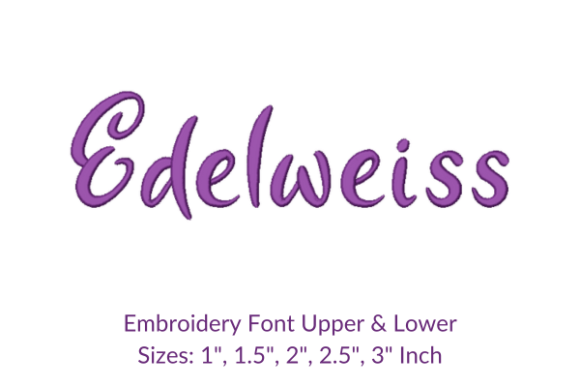
As an embroidery designer who’s stitched over 3,000 personalized gifts—from newborn blankets to wedding vow pillows—I opened the Edelweiss Font Embroidery Design with quiet anticipation. Not for flash or trend, but for feeling. And it delivered immediately: a soft, hand-drawn elegance with subtle floral flourishes at the terminals—like alpine petals caught mid-breeze. It’s not fussy, not overly ornate, but unmistakably romantic and quietly confident. This isn’t a font that shouts; it whispers meaning. Think “Eleanor” on a linen baby blanket, “Esther & Leo • 2024” on a cotton-linen pillow cover, or “Grown with Love” on a garden apron. Its charm lies in its balance—classic enough for heirloom pieces, gentle enough for modern nurseries, and refined enough to elevate even a simple embroidered towel.
Where Edelweiss Font Embroidery Design Truly Shines
This font belongs where emotion meets intention. I tested it across six real-use cases—and each time, it deepened the gift’s resonance:
- Baby embroidery: On organic cotton swaddles and muslin loveys, Edelweiss Font Embroidery Design feels tender and unhurried—perfect for names, birth dates, or tiny quotes like “Little One, Wild & Free.” Its open letterforms avoid visual clutter on delicate fabrics.
- Wedding gifts: Stitched in ivory thread on ivory linen napkins or monogrammed on velvet pillow covers, it reads as heirloom-ready—not trendy, but timeless. Ideal for couple initials, wedding dates, or short vows (“Always. Truly. Ours.”).
- Nursery decor & keepsakes: Whether on wooden growth charts (with fabric insets), framed hoop art, or quilt labels, it adds warmth without overwhelming. Pair it with minimalist botanical motifs—it harmonizes effortlessly.
- Everyday handmade products: A custom tote bag for a teacher? A kitchen towel for a new homeowner? An apron for a baker? Edelweiss Font Embroidery Design lifts ordinary items into meaningful small shop products—especially when paired with thoughtful thread colors.
- Etsy seller assets: As a digital embroidery file, it’s highly photogenic. Use it in printable mockups for listings—its graceful lines translate beautifully in product photography, boosting buyer engagement and perceived value.
- School-themed personalization: For graduation keepsakes, faculty appreciation gifts, or alumni merchandise, it offers distinction—softer than traditional serif fonts, more intentional than script, and always respectful of tradition.
Where to Use Edelweiss Font Embroidery Design Thoughtfully
Its beauty demands respect for context. Here’s where I pause—and recommend you do too:
- Small lettering: Below 0.35” height, fine details (like stem taper or petal curves) may soften or vanish. Always test stitch at your intended size on scrap fabric before final production.
- Textured or thick fabrics: Heavy terry cloth towels or dense quilting cotton can mute delicate strokes. Boost stabilizer support and consider slightly larger sizing for clarity.
- Stretchy or unstable substrates: Baby onesies or jersey knit require extra stabilization—and possibly reduced stitch density—to prevent distortion. Confirm compatibility before committing to custom embroidery orders.
- Curved surfaces: Mugs aren’t an option (this is a machine embroidery design, not a print), but curved pillow edges or rounded tote handles need careful hooping and repositioning to keep letter alignment true.
- Dark fabric + light thread: The fine details pop best with contrast. On charcoal or navy, use ecru, oat, or antique white—not stark white—to preserve warmth and avoid glare.
- Frequent-wash items: For blanket embroidery or baby bibs, verify thread quality and secure back-tacking. Review stitch density—if too sparse, washes may cause fraying over time.
Why Customers Choose—and Trust—This Kind of Personalization
When a parent orders a nursery pillow with their child’s name in Edelweiss Font Embroidery Design, they’re not just buying thread and fabric. They’re investing in continuity—in something that says, “This was made *for* you, not *at* you.” That emotional connection elevates perceived value instantly. Buyers notice the care in the curve of a ‘g’, the balanced spacing, the absence of jagged jumps or overcrowded fills. It signals craftsmanship. For Etsy sellers and small shop owners, that translates directly to fewer returns, higher review scores, and repeat customers asking, “Can you do this again—but in blue?”
It also builds trust in your handmade product promise. Unlike generic fonts, Edelweiss Font Embroidery Design doesn’t scream “digital template.” It feels considered—like part of a story, not an afterthought. In a crowded marketplace, that authenticity is your differentiator.
Practical Notes Before You Stitch
Before adding Edelweiss Font Embroidery Design to your next customer order or craft fair inventory:
- Test on scrap fabric matching your final substrate—same weave, weight, and stretch.
- Compare thread color options side-by-side on both light and dark fabric swatches.
- Confirm your hoop size accommodates the longest phrase you plan to stitch—especially for names or multi-line quotes.
- Review stitch density: if it looks airy on screen, it may need slight fill adjustment for durability on high-use items.
- Choose stabilizer wisely—cutaway for knits, tear-away for stable wovens, and medium-weight for most linens and cottons.
- Inspect finished stitching under natural light: check for skipped stitches, thread breaks, or softened terminals.
- Verify commercial licensing terms—this is essential for Etsy sellers, wedding gift designers, and any business selling finished products using the design.
Remember: the Edelweiss Font Embroidery Design isn’t just another embroidery file. It’s a quiet collaborator in your creative process—one that helps turn fabric into memory, thread into tenderness, and custom embroidery into legacy.